Mamba Identifies More Than 20km of Gold Strike at Meeka East

Konrad Forrest
meeka east

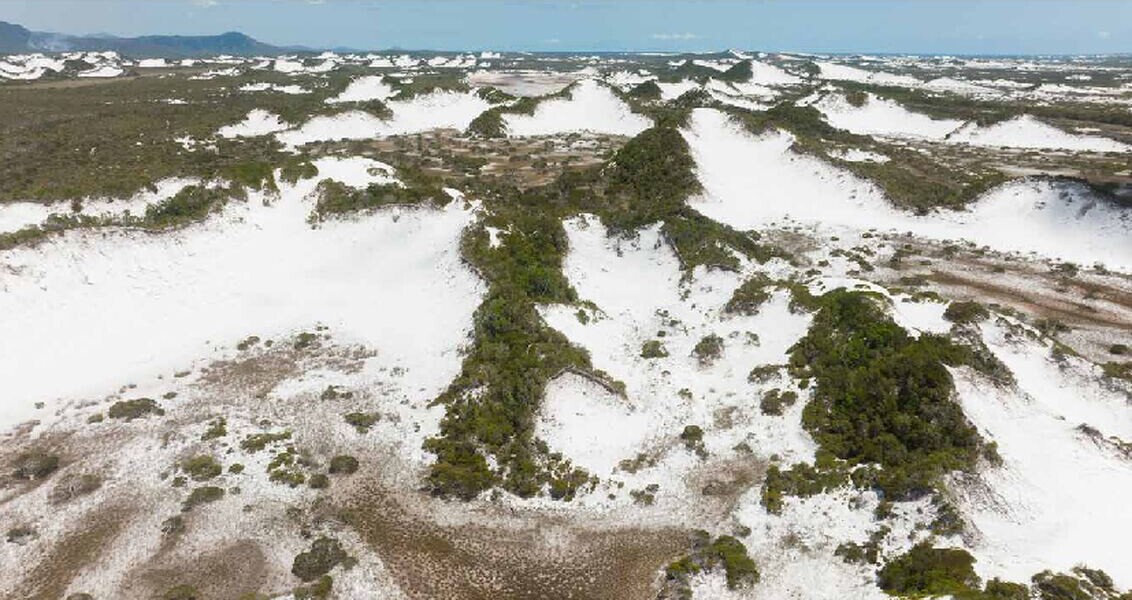
8 May 2026 | Western Australia - Mamba Exploration has reported new soil sampling results from its Meeka East Gold Project in Western Australia’s Murchison region, identifying multiple gold targets across more than 20km of prospective strike.

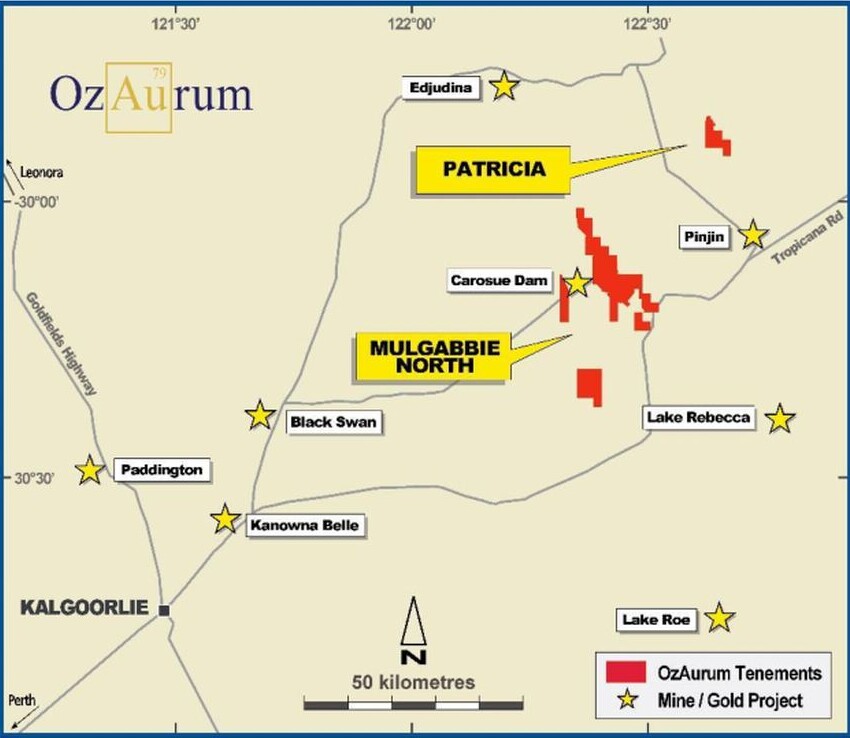
The company said extensional soil sampling has extended the gold occurrence south of the historical sample area at the 140’ Well prospect, while infill results have helped define an initial drilling target. The identified mineralised trend at 140’ Well is interpreted as a southern extension of Great Boulder Resources’ Mulga Bill trend into Mamba’s Meeka East Gold Project.

Mamba said the soil sampling program confirmed its “Gold in Sediments” geological concept, with anomalous gold assays located in stratigraphic trends on either side of cross-cutting dolerites in several locations. The work also identified three additional major stratigraphic anomalies: New Australian, Lady Maud and Bella.

The company completed more than 1,300 fine soil samples across nearly 25km² of prospective ground. Sampling was designed to test prospective stratigraphy and structures across the project, excluding the Mt Yagahong site.

Mamba Executive Director Matt Freedman said the results continued to support the company’s geological model and that the Lady Maud area was particularly encouraging, with consistent elevated gold-in-soil values across multiple sections. He said the results had created new priority drill targets further south and extended the project’s potential overall strike length to about 20km.

Why it matters: Soil sampling is an early-stage exploration tool, but these results are important because they appear to define coherent gold trends rather than isolated spot values. Mamba said the anomalous results form tight clusters, with the most significant results at Lady Maud tracing across multiple sections and defining a clear trend consistent with two or more target stratigraphic units.

The strongest soil values reported included 22.8ppb gold at Lady Maud, 14.1ppb gold and 12.3ppb gold at New Australian, and 11ppb gold at Bella. The company used a 2 standard deviation anomalous cut-off of 2.5ppb gold.

Mamba has also been awarded up to $90,000 through the Western Australian Government’s Exploration Incentive Scheme to support a planned $180,000 drilling program. The company said the process for heritage approvals and Programme of Work lodgement is now underway, with drilling to commence as soon as practicable once approvals are received.

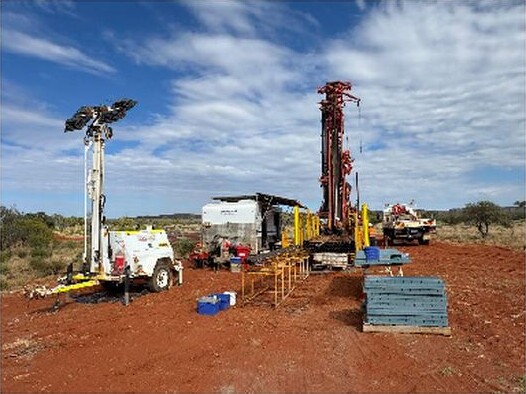
The initial drilling focus is expected to be the northern 140’ Well area, with approximately 15 reverse circulation holes for 1,800m planned along the initial trend. Mamba is also submitting a Programme of Work for an expanded program of up to 50 holes to test broader anomalies across Meeka East, including Lady Maud, New Australian and Bella.

For Western Australia’s gold exploration sector, the results add another early-stage target in the Murchison, with Mamba now moving from geochemical targeting toward first-pass drilling.

Source: Mamba Exploration ASX announcement, “Soil Sampling Identifies Over 20km of Strike”, 8 May 2026.

South32 Commits to Next Stage of Hammer Metals Isa Valley Earn-In

Konrad Forrest
Hammer Metals

5 June 2026 | Queensland - Hammer Metals has announced that South32 has elected to proceed with Stage 3 of the Isa Valley Earn-In Agreement, committing to a further A$3 million in exploration expenditure over three years.

The Isa Valley Project is located in north-west Queensland and covers sections of the Mount Isa Fault. Hammer said South32’s decision to move into Stage 3 follows positive results from the initial stages of the earn-in program.

Under the Stage 3 terms, South32 must fund A$3 million of exploration expenditure to earn a 70% interest in the tenement and joint venture. South32 may extend the Stage 3 period by a further 12 months, increasing the expenditure commitment to A$4 million.

Hammer also said a magnetotelluric survey across the Mount Isa Fault is expected to commence in the coming months. Funding for the survey has been provided by the Queensland Government through the Collaborative Exploration Initiative.

Managing Director Daniel Thomas said Hammer was pleased to see South32 continue into Stage 3, saying the decision reflected the encouraging technical results generated so far and the prospectivity across the project.

Why it matters: The Isa Valley earn-in gives Hammer exposure to continued exploration funding from a major mining company in one of Australia’s most important base metals districts. The project is considered prospective for Mount Isa-style sediment-hosted lead-zinc-copper mineralisation, similar in style to major deposits in the region.

Hammer said the Isa Valley Project covers approximately 320km² and is being managed and operated by South32 under the earn-in agreement. If South32 completes Stage 3, it will earn 70%, with the ability to move to 80% by sole funding a Pre-Feasibility Study for a mine development on the tenement area.

Hammer also advised that Sumitomo Metal Mining Oceania has informed the company of its intention to withdraw from the Bullrush Joint Venture. The Bullrush JV recently completed two phases of diamond drilling across deeper iron oxide copper-gold targets within the Wimberu Granite.

Thomas thanked Sumitomo for its contribution to Bullrush, saying the work had helped improve Hammer’s understanding of the system and that the company would continue to build on that work as it assessed the geological setting and nearby targets.

Hammer’s near-term newsflow includes drilling results from Kalman, Blackrock and Lady Jenny, the Isa Valley magnetotelluric survey, Kalman West diamond drilling, a Kalman Resource update, drilling at Orphan, Keyser and Redback, and air-core drilling at the Yandal Gold Project.

For the broader resources sector, South32’s continued participation highlights ongoing interest in the Mount Isa district, where large-scale copper, lead, zinc and silver systems remain a key exploration focus.

Source: Hammer Metals ASX announcement, “Mount Isa JV and Earn-In Updates”, 5 June 2026.

Chalice Defines New Copper-Rare Earth Target Near Goomalling

Konrad Forrest
Goomalling

4 June 2026 | Western Australia - Chalice Mining has reported strong new exploration results from the Deep Blue copper-molybdenum-silver-rare earth element target, located near Goomalling in Western Australia’s Wheatbelt region.

The Deep Blue target sits within the Northam JV Project, where Chalice is earning up to a 70% interest. The target is located about 15km south-east of the Caravel Copper Project, which is at pre-feasibility stage and hosts a 3Mt contained copper resource.

Recent rock chip sampling and ground geophysics have upgraded Deep Blue into what Chalice describes as a compelling drill-ready greenfield target. The company has defined a coherent 2.5km-long copper-molybdenum-silver soil anomaly, with a peak soil assay of 890ppm copper, around 17 times background levels.

Two rock chip samples returned highly anomalous rare earth results, including:

  • 15.5% TREO from sample CFR500
  • 19.3% TREO from sample CFR501
  • Associated copper values of 384ppm and 377ppm
  • Strong rare earth values including neodymium, praseodymium, dysprosium, terbium, samarium, gadolinium and yttrium

Chalice said the rare earth assemblage is dominated by high-value magnet rare earths, including neodymium and praseodymium, as well as defence-critical rare earths including samarium, gadolinium and yttrium. The company also reported 847ppm copper from a laterite rock chip over the peak soil anomaly.

Why it matters: Deep Blue is significant because it combines copper, molybdenum, silver and rare earth potential in a largely concealed area with no previous drilling. Chalice said strong coincident magnetic and gravity anomalies indicate the possible presence of a large-scale hydrothermal system with skarn-style affinities extending over more than 2km.

The target area is mostly covered by agricultural soils, with limited outcrop. This means the source of the copper-rare earth anomalism remains unknown, but the combination of soil geochemistry, rock chip results, magnetic features and gravity anomalies has provided Chalice with a clear target for drilling.

Chalice said a recently completed ground gravity survey confirmed a series of density anomalies that line up with the soil and magnetic anomalies, supporting the interpretation of a 2km-plus scale hydrothermal mineral system.

The company is now moving toward an initial 10-hole reverse circulation drilling program, with land access secured and drilling expected to begin in the coming weeks, subject to regulatory approvals.

Chalice said it remains well funded, with approximately $63 million in cash and listed investments as at 31 March 2026.

For Western Australia’s exploration sector, Deep Blue adds another early-stage critical minerals target in an agricultural region that has seen increasing attention for copper and rare earth opportunities. The first drilling program will be an important test of whether the surface geochemical and geophysical signals translate into mineralisation at depth.

Source: Chalice Mining ASX announcement, “Exceptional copper-rare earth target defined at Deep Blue”, 4 June 2026.

Medallion Reports More High-Grade Gold Results at Lounge Lizard

Konrad Forrest
Medallion Metals

3 June 2026 | Western Australia - Medallion Metals has reported further high-grade gold results from the Lounge Lizard deposit, part of its Forrestania Gold Project in Western Australia.

The results come from the ongoing extraction and validation of previously unreleased historical drilling at Lounge Lizard. Medallion said the latest validated intersections are located centrally within the Lounge Lizard system, beneath and near the current mineralised footprint.

Key high-grade results include:

  • 11m at 6.94 g/t gold from 50m
  • 9m at 8.69 g/t gold from 67m
  • 5m at 10.16 g/t gold from 98m
  • 6.8m at 7.3 g/t gold from 74m
  • 3m at 13.78 g/t gold from 56m
  • 1m at 29.5 g/t gold from 18m
  • 4m at 8.96 g/t gold from 116m
  • 6.4m at 5.59 g/t gold from 65.6m

Medallion said 212 historical drill holes around the Lounge Lizard open pit have now been validated and incorporated into the geological database for Mineral Resource estimation. The company is targeting an initial Mineral Resource Estimate for Forrestania Gold Project deposits in Q3 CY2026.

Managing Director Paul Bennett said the latest phase of validation continued to strengthen the company’s understanding of the Lounge Lizard system and the continuity of high-grade mineralisation beneath the historical open pit. He said the results highlight the potential for additional high-grade ounces and reinforce Lounge Lizard as a potential near-term production source.

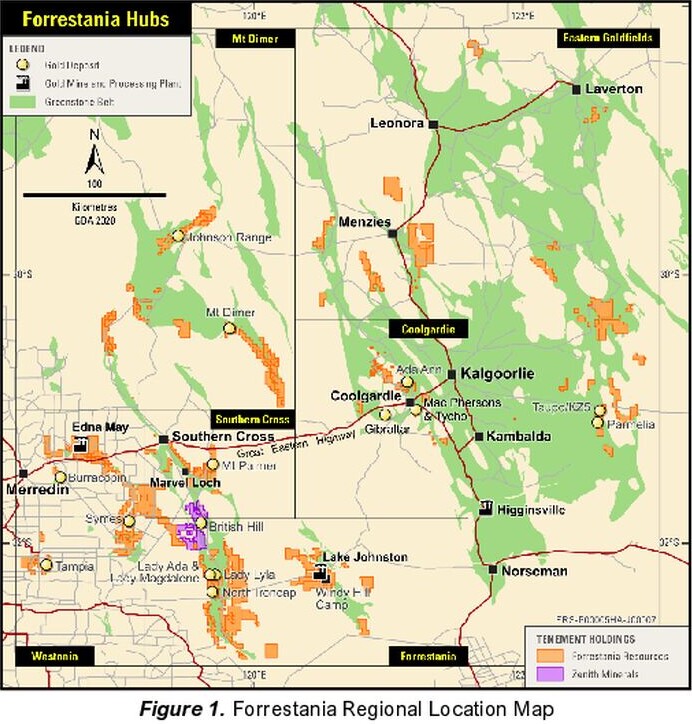
Why it matters: Lounge Lizard is important because it sits within Medallion’s broader Forrestania Gold Project and is close to existing mining and processing infrastructure. The deposit is located on a granted Mining Lease, less than 0.6km from the Flying Fox underground mine and about 14km by private haul road from the Cosmic Boy Concentrator.

Medallion said the integration of validated historical drilling with field mapping has improved confidence in the Main, Footwall and Hanging Wall lodes beneath the historical pit floor. The updated 3D geological interpretation supports down-dip and lateral continuity, with mineralisation still open beneath the pit and along strike.

The company said validated drilling now defines gold mineralisation at Lounge Lizard over more than 1km of strike and to a depth of 466m below surface.

The latest work also gives Medallion several potential development options. Subject to future studies, Lounge Lizard could become an additional source of high-grade mill feed for the Cosmic Boy processing hub, supporting future production growth across Forrestania.

Near-term work includes re-establishing ramp access to the Lounge Lizard pit, RC drilling within the pit, Phase 1 DD/RC drilling beneath Lounge Lizard, re-sampling available historical diamond core and progressing the maiden Mineral Resource Estimate.

For Western Australia’s gold sector, the results show how historical mine areas can continue to deliver value when old drilling is validated, modelled and linked to modern development studies.

Source: Medallion Metals ASX announcement, “Exceptional High-Grade Gold Results Continue at Lounge Lizard”, 3 June 2026.

GoldArc Reports 106g/t Gold Intercept from Mt Stirling Grade Control Program

Konrad Forrest
GoldArc

28 May 2026 | Western Australia - GoldArc Resources has reported a high-grade gold intercept from the fourth round of grade control drilling at the Mt Stirling deposit, part of its Western Australian gold portfolio.

The standout result was 1m at 106g/t gold from 8m in hole BMLRC767, which GoldArc said is the highest individual grade intercept returned from the grade control program to date.

The latest results come from 141 holes for 4,021m of reverse circulation drilling, targeting the eastern sector and shallow infill areas of the Mt Stirling deposit. GoldArc said the results provide further validation of the interpreted high-grade shoot architecture at Mt Stirling.

Other significant intercepts included:

  • 3m at 5.99g/t gold from 7m, including 1m at 14.00g/t gold
  • 1m at 13.70g/t gold from 7m
  • 2m at 7.00g/t gold from 1m, including 1m at 13.50g/t gold
  • 1m at 10.90g/t gold from 11m
  • 13m at 2.33g/t gold from surface
  • 18m at 1.42g/t gold from 4m
  • 16m at 1.78g/t gold from 7m

GoldArc Managing Director Paul Stephen described the 106g/t gold result as “exceptional”, saying it confirmed the presence of very high-grade gold shoots within the Mt Stirling system. He said the broader consistency of the mineralised envelope across the northern, central and eastern sectors was important for mine planning.

Why it matters: Grade control drilling is a key step in moving a deposit toward potential mining because it provides closer-spaced data to help define ore grades, ore boundaries and production scheduling. At Mt Stirling, the program is designed to support mine planning ahead of potential open-pit development.

The broader 34,000m grade control program is fully funded by BML Ventures under a 50/50 net profit share arrangement, while GoldArc retains 100% ownership of Mt Stirling. Around 17,080m has now been completed, representing more than half of the planned program.

GoldArc said the latest batch intersected both high-grade narrow shoots and broader lower-grade envelope mineralisation, both of which are important for future mine plan optimisation. The results are also considered geologically consistent with previous drilling, confirming lateral continuity across the deposit footprint.

The company said further assay batches are in progress and will be released progressively after QAQC validation and geological review.

GoldArc is a Western Australian-focused exploration company with gold projects in the Leonora and Kookynie districts of the Eastern Goldfields. The company reports a total JORC Mineral Resource base of approximately 200,014 ounces of gold, including Mt Stirling, Stirling Well, Orion and Sapphire.

For Western Australia’s gold sector, the Mt Stirling results show continued activity around smaller, near-development gold assets where detailed grade control drilling can help turn Resource ounces into practical mining plans.

Source: GoldArc Resources ASX announcement, “Exceptional 106g/t Au Intercept from Fourth Round of Grade Control Results at Mt Stirling”, 28 May 2026.

Marmota Reports High-Grade Gold Results at Greenewood Discovery

Konrad Forrest
Marmota

28 May 2026 | South Australia - Marmota has reported strong new gold assay results from the Greenewood discovery, part of its Gawler Craton Gold Project in South Australia.

The latest results come from Stage 2 of Marmota’s maiden drilling program at Greenewood and include detailed 1m split assays following earlier 4m composite results announced in February. Marmota said the results continue to grow the discovery, with mineralisation remaining open along strike and at depth.

New high-grade 1m assays include:

  • 41 g/t gold from 82m downhole in hole 25GWRC241
  • 40 g/t gold from 84m downhole in hole 25GWRC249
  • 28 g/t gold from 74m downhole in hole 25GWRC215
  • 27 g/t gold from 86m downhole in hole 25GWRC210
  • 26 g/t gold from 36m downhole in hole 25GWRC208
  • 26 g/t gold from 96m downhole in hole 25GWRC253

Across Marmota’s maiden Stage 1 and Stage 2 program at Greenewood, the company has now reported 6 intersections over 40 g/t gold, 18 intersections over 20 g/t gold, 55 intersections over 10 g/t gold and 119 intersections over 5 g/t gold.

Marmota said Stage 2 has been particularly encouraging because it was a smaller program than Stage 1, with 10,117m of drilling compared with 15,480m in Stage 1, yet still delivered a large number of high-grade results.

The company highlighted several broader intersections from the maiden program, including 12m at 5.4 g/t gold, 5m at 10 g/t gold, 9m at 7.1 g/t gold, 8m at 6.1 g/t gold, 21m at 2.6 g/t gold, and earlier Stage 1 results including 33m at 10 g/t gold and 22m at 5.1 g/t gold.

Why it matters: Greenewood is emerging as a significant high-grade gold discovery in South Australia’s Gawler Craton. Marmota said the results show the development and extension of multiple high-grade zones, particularly to the northeast along strike, with the orebody extending in multiple directions and remaining open.

The company said the maiden program has delineated a nearly continuous high-grade mineralised system, with bonanza gold grades close to surface and continuity along strike. A follow-up Stage 3 RC drilling program has already commenced, targeting major extensions at Greenewood and the southern Mainwood area, with the aim of potentially extending the system’s strike to around 2km.

Greenewood is located about 35km northwest of Marmota’s Aurora Tank gold deposit and about 30km northeast of the Challenger Gold Mine. The project is part of the Golden Moon JV, where Marmota holds a 90% interest.

Marmota Chairman Dr Colin Rose said Greenewood “keeps growing and getting better” with each stage of the maiden program, adding that Stage 3 drilling is already underway and progressing well.

For South Australia’s gold sector, the results add further momentum to the Gawler Craton, where Marmota is building a broader gold project around Greenewood, Aurora Tank and other nearby deposits.

Source: Marmota ASX announcement, “Outstanding assays reveal rich gold zones at Greenewood”, 28 May 2026.

Barton Gold Reports High-Grade Results from Tunkillia’s Area 51 Zone

Konrad Forrest
Barton Gold

27 May 2026 | South Australia - Barton Gold has reported new high-grade assay results from its Tunkillia Gold Project in South Australia, with drilling at the Area 51 zone indicating potential resource growth, open pit extensions and longer mine life.

The results are the first assays from Barton’s ongoing Phase 2 reverse circulation drilling program, which is targeting approximately 30,000 metres of Resource upgrade drilling across the Tunkillia project. The latest results come from within the currently modelled Area 51 optimised open pit.

Key results include:

  • 52m at 0.95 g/t gold from 101m, including 2m at 2.84 g/t gold
  • 40m at 1.64 g/t gold from 155m, including 2m at 3.83 g/t gold
  • 46m at 1.13 g/t gold from 137m, including 5m at 2.34 g/t gold
  • 43m at 1.82 g/t gold from 39m, including 8m at 3.79 g/t gold, 2m at 4.14 g/t gold and 2m at 6.65 g/t gold
  • 39m at 1.12 g/t gold from 52m, including 6m at 3.46 g/t gold

Barton said the broadest and highest-grade assays were returned from the northern and southern ends of the currently modelled open pit, suggesting potential for further extensions of higher-value mineralisation. The company said the results broadly validate the existing model, while also indicating upside within and along strike of the Area 51 pit.

Barton Managing Director Alexander Scanlon said the results were higher-grade than anticipated and could point to potentially higher-value mineralisation, Resource growth and extensions to the optimised open pit and mine life.

Why it matters: The Tunkillia project is one of Barton’s key development assets in South Australia’s Gawler Craton. The latest Area 51 results support the company’s broader plan to upgrade Resources, convert material to Ore Reserves and progress a Pre-Feasibility Study.
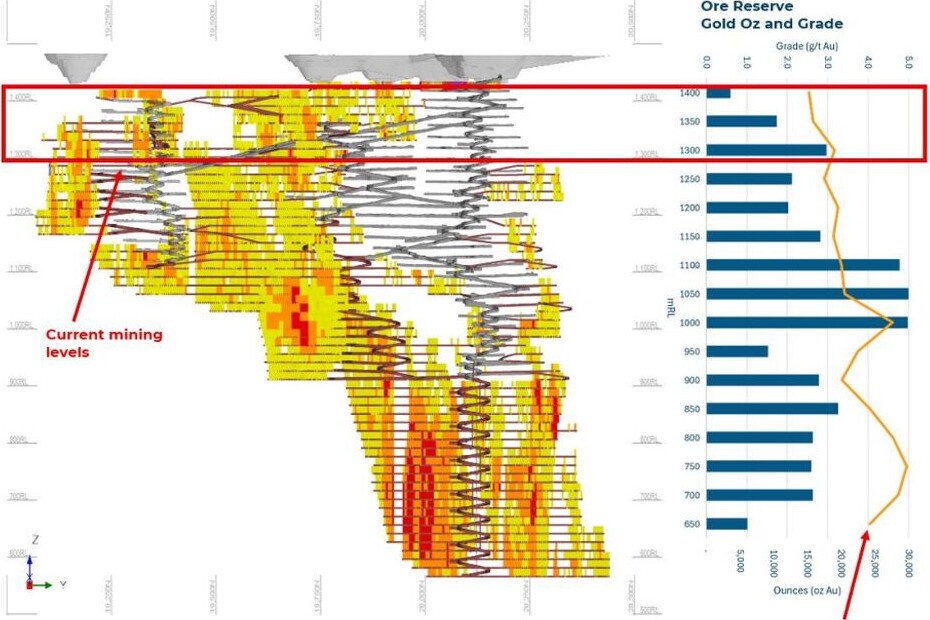
Barton’s May 2025 Optimised Scoping Study outlined a potential development producing approximately 120,000 ounces of gold and 250,000 ounces of silver annually. The study also estimated total life-of-mine operating cash of around A$2.7 billion, with an unlevered pre-tax NPV of approximately A$1.4 billion, using assumed gold and silver prices of A$5,000/oz and A$50/oz respectively.
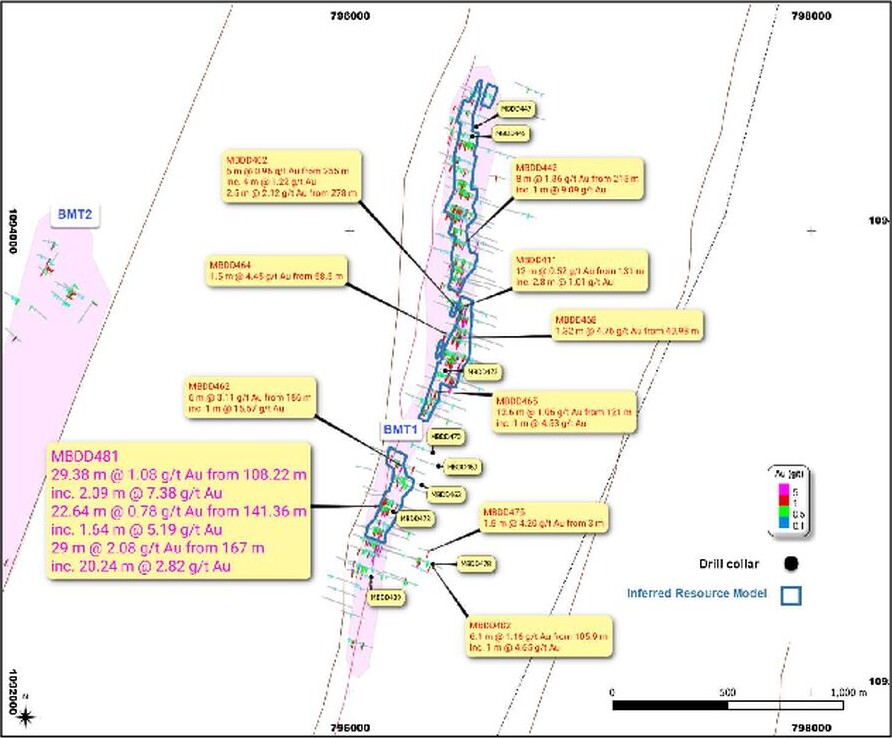
The company said its Phase 2 drilling program remains underway, alongside an approximately 3,000 metre diamond drilling program for geotechnical and metallurgical analysis. Both programs are targeting completion during June 2026.

Barton is targeting completion of a Pre-Feasibility Study before the end of calendar year 2026, which is expected to support a Mining Lease application and project finance discussions.

For South Australia’s gold sector, the results add further momentum to a project that Barton is positioning as a future gold and silver development opportunity, supported by its existing regional portfolio and 100% ownership of the Central Gawler Mill.

Source: Barton Gold ASX announcement, “High-Grade Assays Indicate Growth for Tunkillia’s Area 51”, 27 May 2026.

OZZ Resources to Acquire Nickel-Copper-Cobalt Project in WA’s Murchison

Konrad Forrest
Bedaburra Nickel-Copper-Cobalt Project

20 May 2026 | Western Australia - OZZ Resources has entered into a binding agreement to acquire a 100% interest in Sulphide Minerals Pty Ltd, giving it ownership of the Bedaburra Nickel-Copper-Cobalt Project in Western Australia’s Murchison region.

The Bedaburra Project comprises two granted exploration licences, E52/4179 and E52/4195, covering approximately 43.54km². The project is located about 115km northwest of Meekatharra and is considered prospective for nickel, copper, cobalt and other critical minerals.

OZZ said it intends to raise up to $5 million through a public offer to support exploration of the newly acquired project. Completion of the acquisition remains subject to OZZ shareholder approval, regulatory approvals, re-compliance with ASX Listing Rules, a successful equity raise and other standard conditions.

The company intends to re-comply with Chapters 1 and 2 of the ASX Listing Rules as a junior exploration company focused on nickel, copper, cobalt and other critical minerals important to the energy transition.

The Bedaburra Project is prospective for two styles of nickel mineralisation: laterite-hosted nickel-cobalt mineralisation developed from weathered ultramafic rocks, and primary magmatic nickel-copper sulphide mineralisation associated with differentiated mafic-ultramafic intrusive rocks and potential feeder structures.

Why it matters: The acquisition gives OZZ exposure to battery and critical minerals at a time when nickel, copper and cobalt remain important to energy transition supply chains. The project sits within the broader West Yilgarn nickel-copper-PGE province, an under-explored region extending along the western margin of the Yilgarn Craton.

Historical exploration at Bedaburra dates back to the 1960s and included geological mapping, surface geochemistry, geophysical surveys and shallow drilling. Approximately 111 historical drill holes have been completed across the project area, although the historical drilling does not comply with the 2012 JORC Code and is treated as historical context only.

OZZ said recent 2025-2026 soil geochemistry work defined coherent multi-element anomalies, with nickel, copper and cobalt results supporting further exploration. The company also highlighted several drill-ready targets, including untested magnetic, gravity and IP anomalies, the historical BH62 hole that ended in nickel-copper sulphide mineralisation, and the Squatters Tank EM anomaly, which extends onto the project area.

The proposed two-year exploration program includes infill soil sampling, rock chip sampling, modern airborne or ground electromagnetic surveys, gravity and IP surveys, and drilling of laterite-hosted nickel-cobalt targets and deeper magmatic nickel-copper sulphide targets.

OZZ has been suspended from quotation since June 2024. The company said its shares will remain suspended until it has re-complied with ASX requirements, completed the acquisition process and satisfied the conditions for re-quotation. An indicative timetable points to a shareholder meeting in June 2026, public offer in late June to July, and potential ASX re-quotation by the end of July 2026, subject to approvals.

Source: OZZ Resources ASX announcement, “OZZ to Acquire Nickel-Copper-Cobalt Focussed Sulphide Minerals”, 20 May 2026.

Maronan Secures $22 Million Strategic Investment to Advance Queensland Project

Konrad Forrest
Maronan Metals

20 May 2026 | Queensland - Maronan Metals has secured a $22 million strategic investment from Kinterra Capital, providing funding for an expanded 2026 drilling program and the delivery of a Preliminary Feasibility Study on a larger-scale Maronan Project.

The investment will see Kinterra Critical Materials & Infrastructure Opportunities Fund II become a 19.99% strategic investor in Maronan through a private placement priced at 35.08 cents per share. Following completion, Maronan’s pro-forma cash position is expected to increase to approximately $36.6 million, based on its 31 March cash balance.

Maronan said the funds will be used to progress and de-risk the Maronan Project, including an expanded drilling program aimed at increasing the Indicated Resource base beyond the Starter Zone. The company will also advance technical and regulatory workstreams required to complete a Preliminary Feasibility Study and support future development decisions.

Maronan Chairman Simon Bird said Kinterra’s investment was a strong endorsement of the Maronan Project and validation of the company’s larger-scale development plan. Managing Director Richard Carlton said Maronan is now fully funded for the expanded drilling program, which he described as one of the critical workstreams needed to support a PFS on a larger and longer-life project.

Why it matters: The investment strengthens Maronan’s balance sheet at an important stage for the project. With drilling, geotechnical assessment, metallurgical studies and development planning now being advanced in parallel, the company is moving from resource definition toward feasibility and development planning.

The Maronan Project is located in the Cloncurry region of northwest Queensland, within the North West Minerals Province. The project hosts a large silver-lead Mineral Resource with additional copper-gold mineralisation, and is located in an established mining region with access to infrastructure and nearby processing facilities.

Kinterra Capital is a private equity firm with approximately US$1.5 billion in committed capital and nearly 20 years of critical minerals investment experience. Maronan said the strategic investment brings not only funding, but also access to Kinterra’s project development experience.

Under the agreement, Kinterra will be entitled to nominate one non-executive director or non-voting observer to the Maronan board, as well as one representative to any technical working group established for the project, subject to maintaining a minimum voting power of 10%.

For the broader resources sector, the investment highlights continued interest in Australian critical minerals and base metals projects, particularly those with scale potential, existing infrastructure advantages and exposure to commodities such as silver, lead, copper and gold.

Source: Maronan Metals ASX announcement, “$22 Million Strategic Investment by Kinterra Capital”, 20 May 2026.

Bellevue Gold Delivers First Ore from High-Grade Deacon North

Konrad Forrest
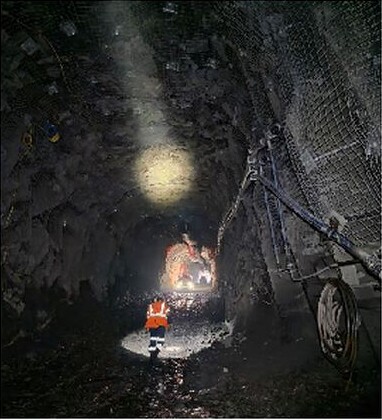
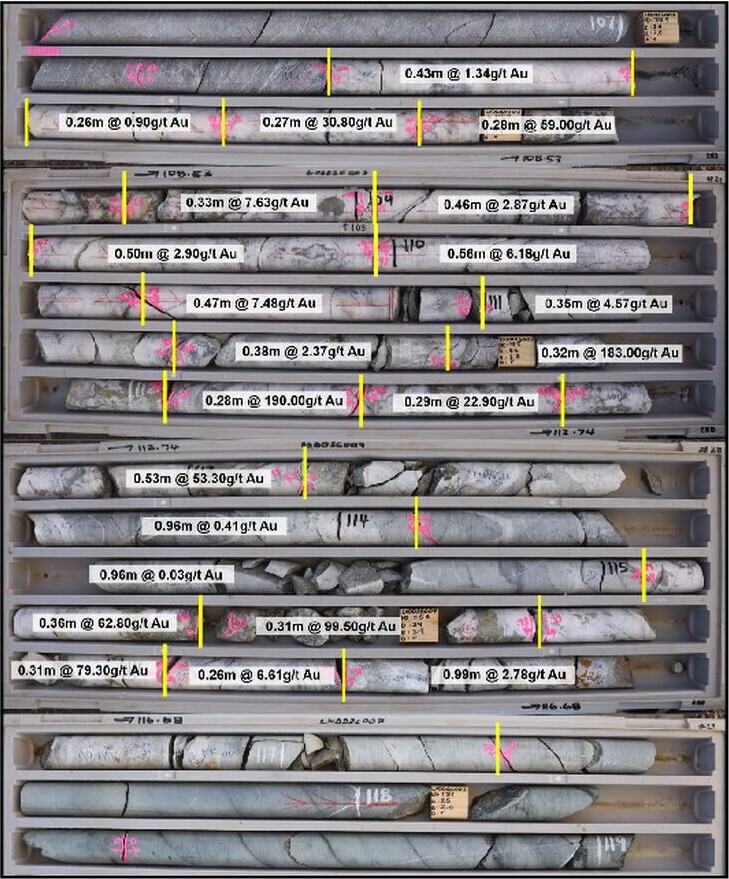
Face mapping

19 May 2026 | Western Australia - Bellevue Gold has delivered first development ore from the high-grade Deacon North area at its Bellevue Gold Mine, marking another step in the company’s ramp-up and production growth plan.

The company said first ore from Deacon North was mined on schedule in May 2026, with development continuing for the remainder of FY26. Stoping is scheduled to commence early in FY27, with both development and stoping production expected to ramp up steadily through the year.

Bellevue said Deacon North will be a key source of high-grade material in FY27 and is expected to complement the established Deacon Main mining area immediately to the south. Combined output from Deacon North and Deacon Main is expected to provide a more reliable and consistent source of ore, supporting stable production for FY27 and beyond.

Grade control results from Deacon North have aligned with expectations, with Bellevue reporting several strong intercepts including:

  • 6m at 32 g/t gold
  • 2.5m at 59.1 g/t gold
  • 8.1m at 16.9 g/t gold
  • 4.6m at 29.6 g/t gold
  • 4.5m at 29.2 g/t gold
  • 7.4m at 14.2 g/t gold

The company also said sampling from the first 13 production faces showed the average development grade was performing better than initially anticipated. The main structure of the Deacon North orebody has aligned well with geological expectations, with higher sulphide content and increasing ore grades expected in subsequent levels.

Why it matters: Deacon North is important because it adds another high-grade mining front at Bellevue. With Deacon Main and Viago already established, the addition of Deacon North gives Bellevue more flexibility and should help support a more consistent ore feed as production increases through FY26 and FY27.

Bellevue has stated it remains on track to meet FY26 guidance of 130,000 to 150,000 ounces of gold, with all-in sustaining costs of A$2,600 to A$2,900 per ounce. The company said production is increasing through FY26 as higher-grade areas including Deacon, Deacon North and Viago contribute more ore.

Bellevue has also highlighted a strong balance sheet, reporting A$181 million in cash and gold as at 31 March 2026, along with A$100 million of bank debt and no mandatory repayments until 2027.

Exploration remains part of the growth story, with surface drilling completed and a second phase underway. Bellevue said downhole electromagnetic surveys are commencing to refine targets, while a sixth underground diamond drill rig is scheduled to arrive on site during the June 2026 quarter and begin underground exploration drilling in FY27.

For Western Australia’s gold sector, the Deacon North milestone shows Bellevue continuing to move from ramp-up into more established production, with multiple high-grade areas now contributing to the mine plan.

Source: Bellevue Gold ASX announcement, “First ore from high-grade Deacon North delivered on schedule”, 19 May 2026; Bellevue Gold Canaccord Global Mining Conference presentation, May 2026.